What to Do if Your Cat is Not Using Their Litter Box
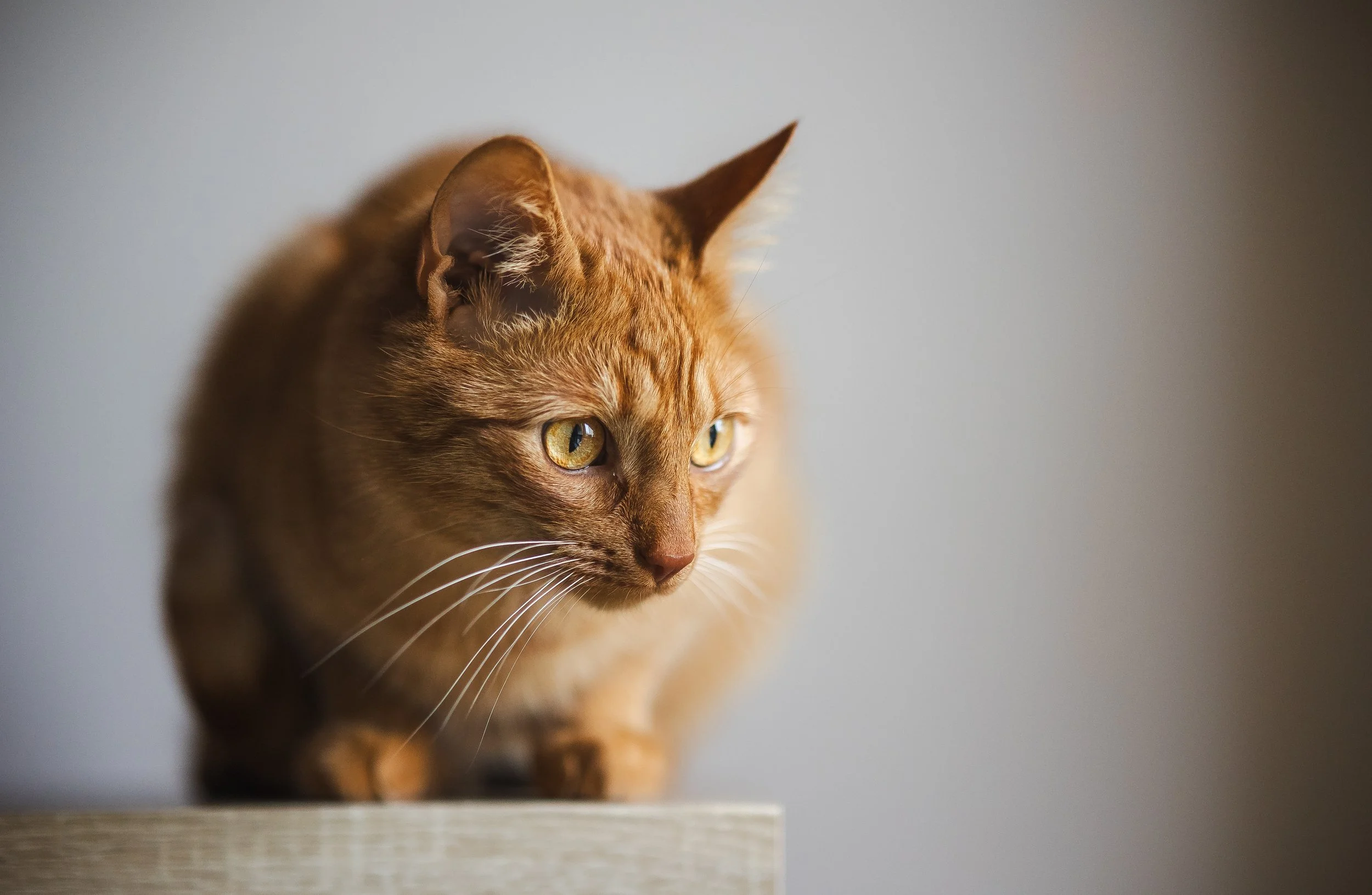
There are a number of reasons why a cat may stop using their litter box. While this may be a frustrating problem, it’s usually a sign that something is wrong, either physically, emotionally, or environmentally. Sometimes, this problem can cause a cat to be surrendered, through no fault of its own. Whether it’s issues with the litter box itself or an underlying medical condition, it’s important to address any cause and make sure your cat's needs are being met.
This blog post will explore the reasons why your cat may not be using their litter box and how best to address any concerns, getting your cat comfortable using their litter box again.
1. Rule Out Medical Issues First
The very first step is to consider your cat’s health. Inappropriate elimination is often linked to medical conditions such as urinary tract infections, bladder stones, kidney disease, or gastrointestinal issues. These conditions can make it painful or urgent for your cat to go, causing them to associate the litter box with discomfort. If your cat is straining, vocalizing, urinating frequently, or producing very little urine, contact your veterinarian immediately. A quick check-up can rule out or address any underlying health concerns.
2. Evaluate the Litter Box Setup
Sometimes, the problem lies in the litter box itself. Cats can be surprisingly particular about their bathroom conditions. Ask yourself:
Is the box clean? Cats prefer a clean space to relieve themselves. Scoop daily and change litter regularly.
Is the box easy to access? Senior cats or kittens may struggle with high-sided boxes.
Is it in a quiet location? Cats prefer litter boxes in low-traffic and quiet spaces. Keep the box in a consistent place to avoid any confusion for your cat.
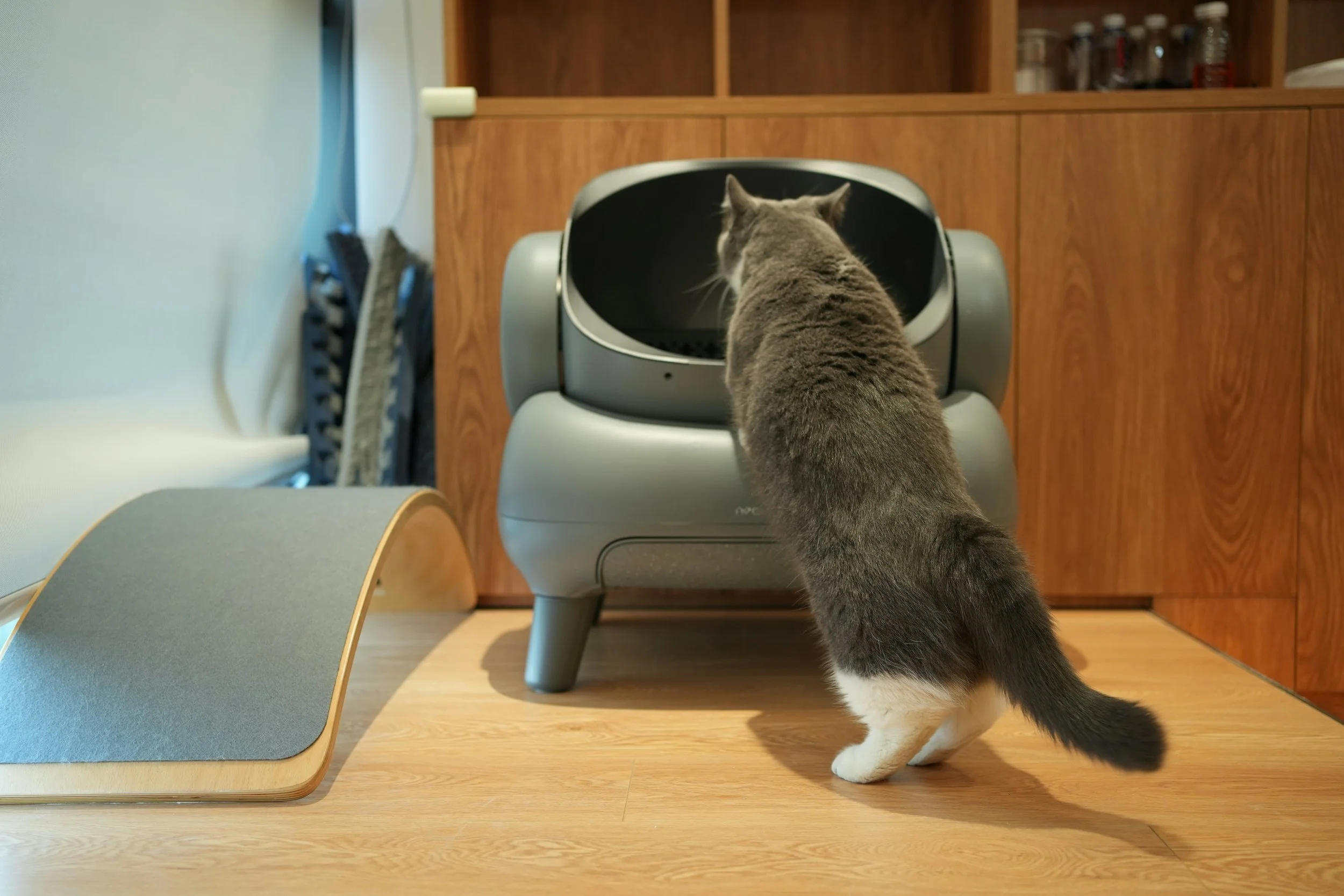
Are there enough boxes? It’s best to keep two accessible litter boxes around your house.
Making small changes to your litter box setup can make a big difference in your cat’s use of the litter box.
3. Consider the Type of Litter
Cats can be picky about texture and scent. If you’ve recently changed litter brands, your cat may simply dislike the new option. Many cats prefer unscented, fine-grain clumping litter that feels soft under their paws. Strongly scented litters or rough textures can be off-putting. Try offering a second box with a different litter type to see if your cat has a preference for a specific type of litter.
4. Look for Stress or Behavioural Triggers
Cats are sensitive creatures, and stress can significantly impact their behaviour. Changes such as moving homes, introducing a new pet, rearranging furniture, or even changes in your schedule can upset them. When stressed, some cats may mark territory or avoid the litter box altogether.
Try to identify any recent changes in your cat’s environment. Providing safe spaces, maintaining a consistent routine, and using calming aids (like pheromone diffusers) can help reduce anxiety. Spend extra time playing and interacting with your cat to reassure them.
5. Clean Accidents Properly
If your cat has already started going outside the litter box, it’s crucial to clean those areas thoroughly. Cats tend to return to spots where they can still smell previous accidents. Use an enzymatic cleaner specifically designed to break down pet odours. Do not punish your cat for accidents. This can increase fear and stress, making the problem worse rather than better.
6. Retrain and Reinforce Good Habits
Once you’ve addressed potential causes, gently guide your cat back to proper litter box use. You can do this by:
Placing your cat in the litter box after meals or naps
Rewarding them with treats or praise when they use it
Temporarily confining them to a smaller area with easy access to the box if needed
When a cat stops using the litter box, your cat is trying to communicate to you that something isn’t right. By approaching the issue with curiosity, compassion, and a willingness to address the issue, you can uncover the cause and help your cat feel comfortable and secure again.
Note: This blog provides a brief guide of addressing your cat’s litterbox use. For a more comprehensive guide, you can check out PetMD. Always consult your veterinarian for personalized advice to ensure your cat remains healthy and comfortable.
References
ASPCA. “Litter Box Problems.” ASPCA, n.d., https://www.aspca.org/pet-care/cat-care/common-cat-behavior-issues/litter-box-problems
O’Steen, Heather. “Not Using the Litter Box.” Cat Friendly Homes, 2022, https://catfriendly.com/signs-symptoms/not-use-the-litter-box/
Shojai, Amy. “Why Your Cat Won't Use the Litter Box: Potential Causes.” Hill’s Pet Nutrition, 9 December 2024, https://www.hillspet.ca/en-ca/cat-care/healthcare/cat-not-using-litter-box
Case, Jamie and Morrison, Barrie J. “Why Is My Cat Pooping Outside the Litter Box?” PetMD, 17 July 2025, https://www.petmd.com/cat/behavior/why-is-my-cat-pooping-outside-litter-box